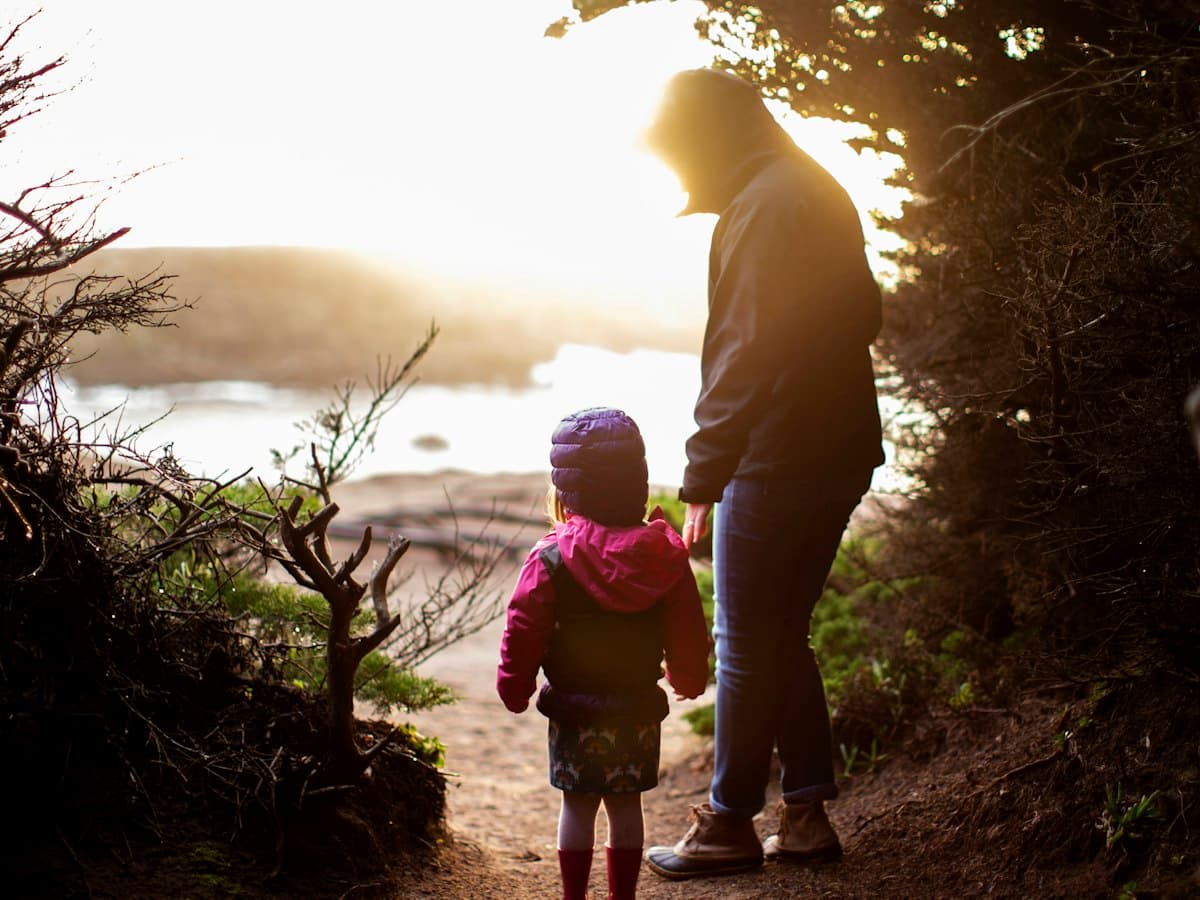
The holidays are stressful for kids and families because nearly everything that keeps children steady changes at once: routines, sleep, food, people and expectations. Even happy excitement is a lot for a young nervous system to carry. What helps most is predictability, protected sleep, lower expectations and a plan for when things feel like too much.
At Family Matters of Marin, we see this every year. Families across Marin County head into December hoping for warmth and connection, and many find themselves dealing with meltdowns, slammed doors and short tempers instead. If that sounds familiar, nothing is wrong with your family.
Why Do Kids Struggle During the Holidays?
Children rely on rhythm more than most adults realize. School, regular meals and a familiar bedtime do quiet work in the background, helping kids feel safe enough to manage their feelings. When the holidays arrive, much of that disappears at the same time.
What Does Holiday Anxiety Look Like in Kids and Teens?
Anxiety rarely announces itself. It often shows up as behavior, and it looks different depending on age.
These reactions are usually a sign that a child is overloaded, not that they are ungrateful or difficult. Responding with calm and connection tends to work better than punishment. If you would like more ideas for supporting a child through big feelings, our child and adolescent therapy page explains how we work with kids and teens.
What If Your Family Lives in Two Homes?
For children whose parents live apart, the holidays can mean two celebrations, two sets of traditions and a lot of time in the car. Kids often worry about hurting one parent by enjoying time with the other. It helps to settle the schedule early, share it with your child well ahead of time, and let them know it is okay to love both homes. We will cover co-parenting through the holidays in more depth in a future post.
How Does Grief Affect the Holidays?
When someone important has died, or a family has been through a divorce, illness or move, the holidays can bring loss into sharp focus. The "empty chair" at the table is felt by children too, even when they don't talk about it. You don't need to protect kids from all sadness. Naming the person, sharing a memory or setting aside a small moment to remember them can help a child feel that grief is allowed here, alongside joy.
Why Do Old Family Patterns Show Up at Gatherings?
Holiday gatherings often bring adults back into old roles: the peacemaker, the one who gets criticized, the sibling who always argues. Children notice that tension. You can't control how relatives behave, but you can decide in advance what you will and won't engage with, and how you will step away if needed. Our post on boundaries and why mental health depends on them offers a helpful starting point.
What About Parents' Own Stress?
Parents carry a heavy load this time of year: planning, hosting, spending, traveling and trying to make it meaningful for everyone. Kids take many of their cues from the adults around them. When you are running on empty, small problems feel huge for the whole household. Looking after your own rest and limits is part of looking after your children.
How Can Parents Make the Holidays Less Stressful?
You don't need a perfect plan. A few small steps can make a real difference.
If you would like help finding approaches that fit your family, parent coaching gives you practical, one-on-one support.
When Is It More Than Holiday Stress?
Some ups and downs are expected during the holidays. It may be worth reaching out for support if you notice:
If a child or teen talks about wanting to die or harming themselves, call or text 988 (Suicide & Crisis Lifeline), or call 911 in an emergency.
These signs don't necessarily mean something is seriously wrong, but they are worth a closer look. When stress is affecting how everyone gets along, family therapy can help the whole household find steadier ground.
What Happens After the Holidays?
The return to school and work can be its own adjustment. Kids may be tired, flat or irritable for a week or two as they settle back into routine. Bring bedtimes back gradually, give them some downtime, and keep an eye on how they are doing once the excitement has faded.
Support for Your Family This Season
Family Matters of Marin works with children, teens, parents and whole families, in person in San Rafael and by secure video anywhere in California, with daytime appointments available. You can also download our free Family Foundations Guide for more ideas to support your family at home.
Contact us to get started. It begins with a free 15-minute phone call with our Client Care Coordinator.
Tags
Free guide for parents
The Family Foundations Guide
Five family meetings to name what your family stands for, so rules make sense and consequences stop feeling like power struggles.
Need support for your family?
Schedule a free 15-minute consultation with one of our therapists.
Get Started